
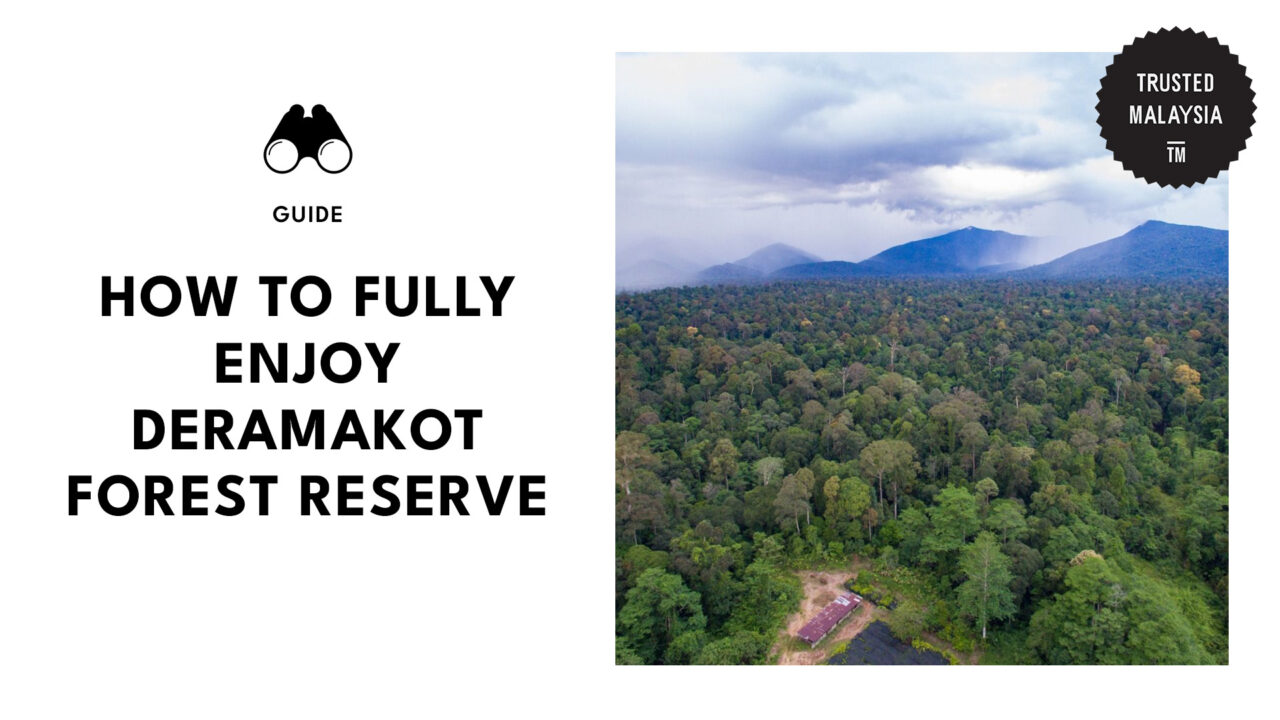
A Nature Lover’s Travel Guide to Deramakot Forest Reserve

I grew up watching nature and wildlife documentaries on television. They really fascinated me as a kid, and that interest grew and stayed with me even as a grown-up.
It’s why I’m a passionate advocate for biodiversity conservation and often seek out experiences where I can learn more about it and spend time with good old Mother Nature. So when I got the opportunity to travel to Deramakot Forest Reserve recently, I couldn’t pack fast enough.
Deramakot Forest Reserve is the first rainforest worldwide to be called a well-managed forest by the Forest Stewardship Council. Going here was a dream. My inner child was ecstatic, and my adult self was also grateful for time away from the busyness of the city.
Since I had such a wonderful time, I decided to write this comprehensive guide for other nature lovers like me. So if you’re a wildlife photographer, eco-tourist, or someone seeking a unique adventure, keep reading!
Where is Deramakot Forest Reserve
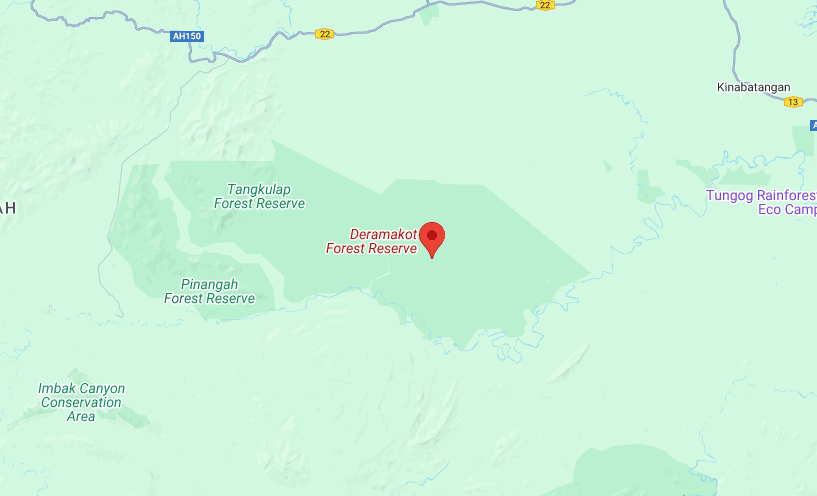
You can find Deramakot Forest Reserve tucked away in the Telupid District, in central eastern Sabah. For reference, it’s located east of Kota Kinabalu and west of Sandakan.
How to Get There
By airplane: From Kuala Lumpur or Kota Kinabalu, there are direct flights to Sandakan Airport (SDK), which is the nearest airport to Deramakot Forest Reserve. It takes around three hours to fly there from Kuala Lumpur and about an hour from Kota Kinabalu.
(Side Note: You can also drive from Kota Kinabalu to Sandakan; it takes approximately four hours.)
By car or taxi: Once you get to Sandakan Airport, you will have to make your way to Telupid District. You can do so via taxi or a rented car, which takes approximately an hour and a half and costs around RM 245. This is your best bet time-wise as there’s no direct bus route from SDK Airport to Telupid.
By four-wheel drive: It takes around two more hours to drive from Telupid to Deramakot Forest Reserve. The rough roads require a four-wheel drive to reach the reserve. Tour packages to Deramakot Forest Reserve usually include transfers from Telupid.
Best Time to Go
The best time to go to Deramakot Forest Reserve is during the dry season, between May and October. During these months, the weather is more manageable and predictable, avoiding sudden flight cancellations because of rain and increasing your chances of seeing wildlife.
How to Book a Tour
You can book your tour directly with Deramakot Forest Reserve. They offer a 4D3N tour filled with adventure and exploration.
Deramakot Forest Reserve
Address: Lot 1, Pusat Perindustrian, Kolombong Jaya, Mile 5.5, Jalan Kolombong, 88450 Kota Kinabalu, Sabah
Contact: +6088-438300
Operating Hours:
- Monday-Friday (8 AM – 5 PM)
- Saturday (8 AM – 12 PM)
- Closed on Sundays
In case slots run out at Deramakot Forest Reserve or if you prefer another agency, you can also book similar tours from agencies such as Lost Borneo Tours, Borneo Adventure, and Amazing Borneo Tours, to name a few.
What to Do and See in Deramakot Forest Reserve
The Deramakot Forest Reserve is what you call a mixed dipterocarp forest. This place is perfect for people who love eco tours but prefer small crowds and more chances to immerse themselves in the simple beauty of nature.
The reserve is also home to endangered species such as orangutans, pygmy elephants, clouded leopards, and sun bears. If you’re passionate about wildlife and biodiversity conservation, you will learn so much just by observing.
Here are some fun activities you can enjoy here:
Immerse yourself in a night-safari
– Media Credit: deramakotforestreserve
Night drives are a regular part of tours here and are an amazing way to see nocturnal animals in the wild ,such as leopards, civets, and other wild cats. You’ll also see different kinds of owls and squirrels, to name a few.
The experience is amazing and adrenaline-pumping because you don’t really know what you’ll see every single drive. The night air is always filled with hopeful anticipation, and it’s an unforgettable experience, for sure.
Pro Tip: To ensure a smoother experience andso as not to scare the animals, remember to keep noise at a minimum and avoid wearing strong scents. There are bath products that have no scent that you can purchase before the trip.
Go trekking at nearby trails
– Media Credit: donandbets
If you like exploring on foot, you can also go trekking with the group. Aside from the exercise, it’s also a wonderful way to slow down, breathe, and enjoy the sights and sounds of the forest.
It can also be a rare chance to see exotic flowers and plants such as the pitcher plant and rafflesia flower, which are both carnivorous, and various orchid species.
Pro Tip: Wear proper trainers or shoes when trekking and make sure to put on insect repellent to avoid itchy bites. These small things can really make a difference in your level of comfort.
Take pictures of nature and wildlife
– Media Credit: life.gonewild
If you’re a wildlife photographer or an aspiring one like me, Deramakot is a treasure trove! You just have to be quick and attentive for good opportunities for photos, especially during the drives around the forest.
It’s a great way to appreciate the animals in their natural habitat and learn about conservation. The guides are very knowledgeable and will help you learn more about the different species that live in the forest.
Pro Tip: Long lenses are best for effective wildlife photography!
Enjoy bird watching
– Media Credit: deramakotforestreserve
Birding is an activity that I have grown to love through the years. I was happy to have the rare opportunity to go bird watching here with other enthusiasts. Aside from the fact that there are over 200 species of birds here, the sense of community is also very strong.
Rare and endemic species of birds can be seen here, such as the Bornean hornbills, chestnut-naped forktail, bulbuls, and babblers, to name some.
Pro Tip: Don’t forget your binoculars, patience, and sense of wonder!
Where to Eat and Drink in Deramakot Forest Reserve
Since the reserve is a remote area, there aren’t a lot of restaurant options here. However, meals are covered in tour packages. They’re home-style dishes prepared by local cooks, complete with rice, viand, veggies, and traditional Malay sweets and desserts.
If you have any dietary restrictions, you can coordinate with the agency you’re booking a tour with. Since options are limited, you can bring your snacks with you, just in case.
Where to Stay in Deramakot Forest Reserve
– Media Credit: mrjoe1896
The accommodation is included in the tour packages. Depending on the package you choose, there are chalets with guestrooms and a shared living area. The rooms are air-conditioned and equipped with fans to keep you cool. The chalet rooms also have their en-suite bathrooms.
There are also hostel options with four beds each room, shared bathrooms and living areas. The accommodation is simple but clean.
Advance booking is important because slots fill up quickly during peak seasons.